Youth Face Cream for Acne-Prone Skin: What to Know

Acne-prone skin needs a careful approach to any new product, including complexion-focused creams. Here's what to consider before adding Youth Face Cream — or any kojic acid/alpha arbutin formula — to an acne-prone routine.
Understanding Acne-Prone Skin First
Acne-prone skin tends to be more reactive to new ingredients, often producing excess oil while also being prone to irritation. This means introducing anything new — including brightening or complexion creams — should be done gradually and with attention to how your skin responds.
Where Complexion Creams Fit In
Many people develop post-acne marks (dark spots left behind after a pimple heals) rather than active breakouts being the main long-term concern. This is where ingredients like kojic acid and alpha arbutin are often used — not to treat active acne, but to help address the appearance of marks left behind after acne has cleared.
Important distinction: complexion creams are not acne treatments. If you have active, inflamed breakouts, addressing the acne itself (often with ingredients like salicylic acid, or a dermatologist's guidance) should generally come first.
How to Patch Test Before Full Use
- Apply a small amount to your inner arm or jawline
- Wait 24-48 hours
- Check for redness, itching, or breakouts before applying to your full face
- If no reaction occurs, introduce to your face 2-3 nights a week initially
Building a Routine Around Acne-Prone, Uneven Skin
Morning: Gentle, fragrance-free cleanser → Oil-free moisturizer → SPF 30+ (non-comedogenic)
Evening: Cleanser → Acne-focused treatment (if using one) on active breakout areas → Complexion cream (like Youth Face Cream) on areas with post-acne marks, avoiding active breakouts → Light moisturizer
Tips for Acne-Prone Skin Specifically
- Avoid layering too many active ingredients at once — this increases irritation risk
- Apply complexion creams to marks and uneven areas, not directly onto active inflamed breakouts
- Give any new product at least 4-6 weeks before judging results, since skin cell turnover takes time
- Always moisturize, even if skin feels oily — barrier health affects how well skin tolerates actives
Frequently Asked Questions
Can I use Youth Face Cream if I have active acne? It's generally best to focus on addressing active breakouts first, and use complexion-focused products on healed areas with post-acne marks. If you have severe or persistent acne, consult a dermatologist.
Will it clog my pores? Always check the specific formulation and patch test first, since individual skin reactions vary.
How soon will post-acne marks look better? Most people need consistent use over 6-8 weeks before noticing meaningful changes in the appearance of marks.
Related Reading
- Best Skincare Routine for Oily Skin in India
- Youth Face Cream Side Effects: What You Should Know
- Shop Youth Face Beauty Cream
This article is for general skincare education and is not medical advice. Consult a dermatologist for persistent or severe acne.
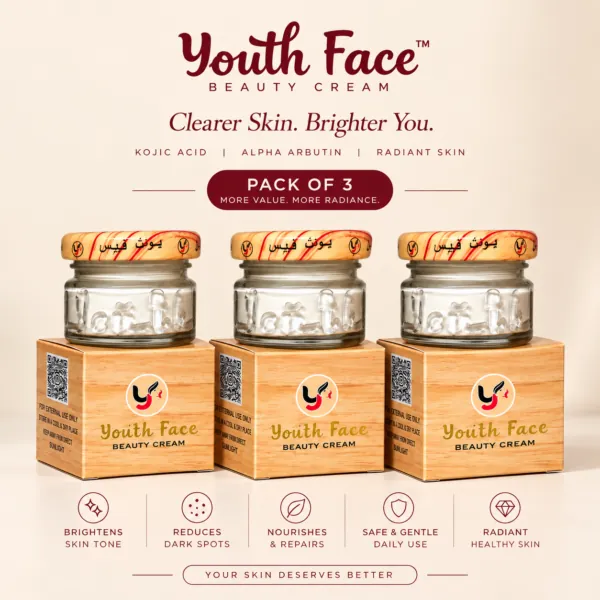
🛒 Buy ProductAbout Youth Face Beauty Cream: Youth Face cream (Youth Face Beauty Cream) is a 25g daily face cream with Kojic Acid and Alpha Arbutin, made for dark-spot care and a more even-looking tone. See the Youth Face Beauty Cream 25g or compare all packs in the Youth Face shop.
Ready to try Youth Face Cream?
Start with a single 25g jar: Youth Face Beauty Cream 25g – Pack of 1. Prefer more jars per order? See Pack of 2 or Pack of 3. Patch test first and follow the directions on the pack.
Buy Youth Face Cream 25gMore Youth Face guides
Skincare routine for oily skin in India · Using kojic acid cream at night · Youth Face Cream side effects · All skincare guides
Keep reading